
Latest Post
-
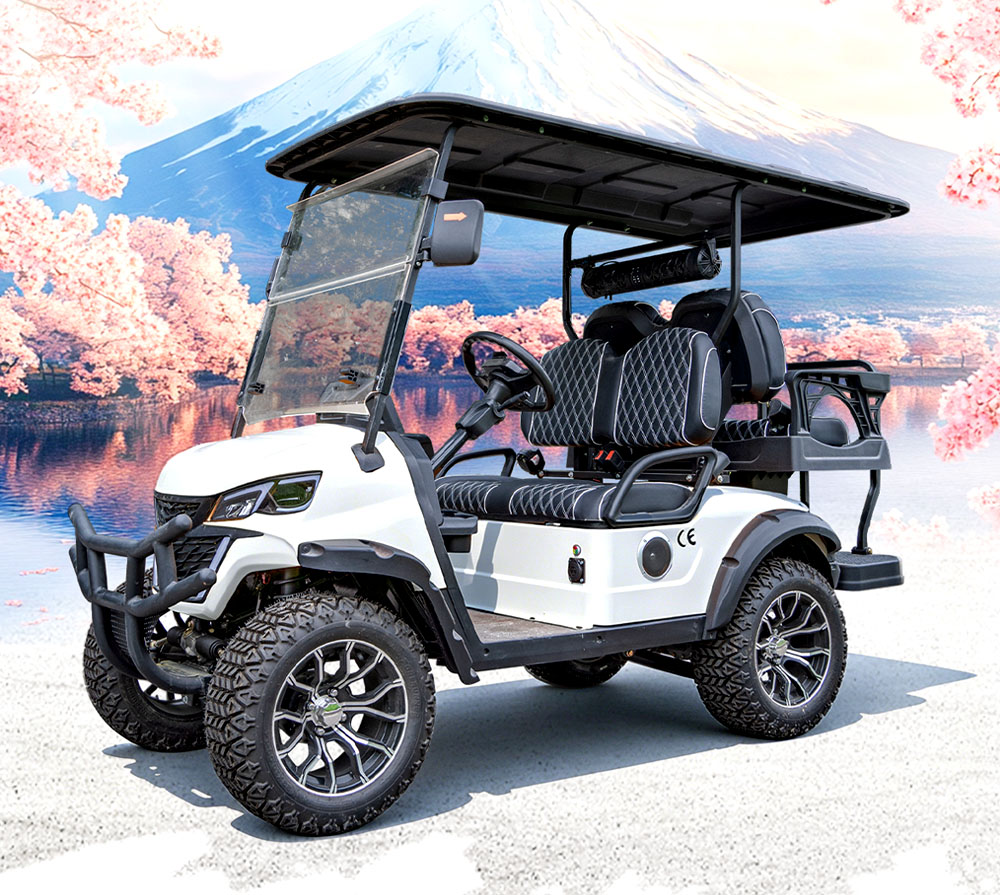
Preview of the Tokyo Golf Cart Show in Japan
July 03,2026 -
Preview of the Tokyo Golf Cart Show in Japan
July 03,2026
Recommendations for Polyurea Spraying Equipment
1. Polyurea is a multifunctional material offering waterproofing, corrosion resistance, wear resistance, and protective properties. However, it has specific operational limits. The recommended application temperature range for polyurea is -40°C to 120°C.
2. Polyurea is suitable for replacing coatings/linings that have performed poorly in the past, as well as for projects plagued by frequent maintenance, repeated construction, or situations where major repairs or redoing after construction are not feasible.
3. For projects requiring both corrosion protection and structural reinforcement, polyurea is the most suitable material. Examples include pipe supports prone to cracking, beams and columns, docks, equipment foundations, and other concrete structures.
4. Polyurea spray equipment and materials have broad applications, but are unsuitable for environments with extreme acid/alkali corrosion or strong solvents. Generally, polyurea can be applied in mildly acidic or alkaline inorganic environments, requiring selection based on specific conditions.
5. Polyurea offers strong functionality as a one-time-application material requiring no maintenance. For significantly extended service life, polyurea sprayed elastomers provide relatively higher cost-effectiveness. Examples include high-end building waterproofing layers and corrosion-resistant, wear-resistant flooring.
6. Polyurea spray equipment manufacturers are well-suited to address challenges where most coatings/linings fall short, such as scenarios requiring simultaneous corrosion resistance, abrasion resistance, crack resistance, or slip resistance. They are also ideal for projects demanding high-quality protective coatings that can only be applied on-site or require field repairs to ensure quality standards.
7. When applying under varying temperature and humidity conditions, select appropriate primers and base coats to ensure excellent adhesion between the topcoat and substrate. Different application environments require scientifically analyzing and selecting appropriate polyurea materials and complementary primers.
Add message: